Services
D·02 · Interface
Digital
Digital experiences should make the next step feel obvious without making the experience ordinary.
For organizations whose website or digital product has become harder to use than it should be: teams with growing content, new services to explain, or an interface that no longer reflects the quality of the work behind it.
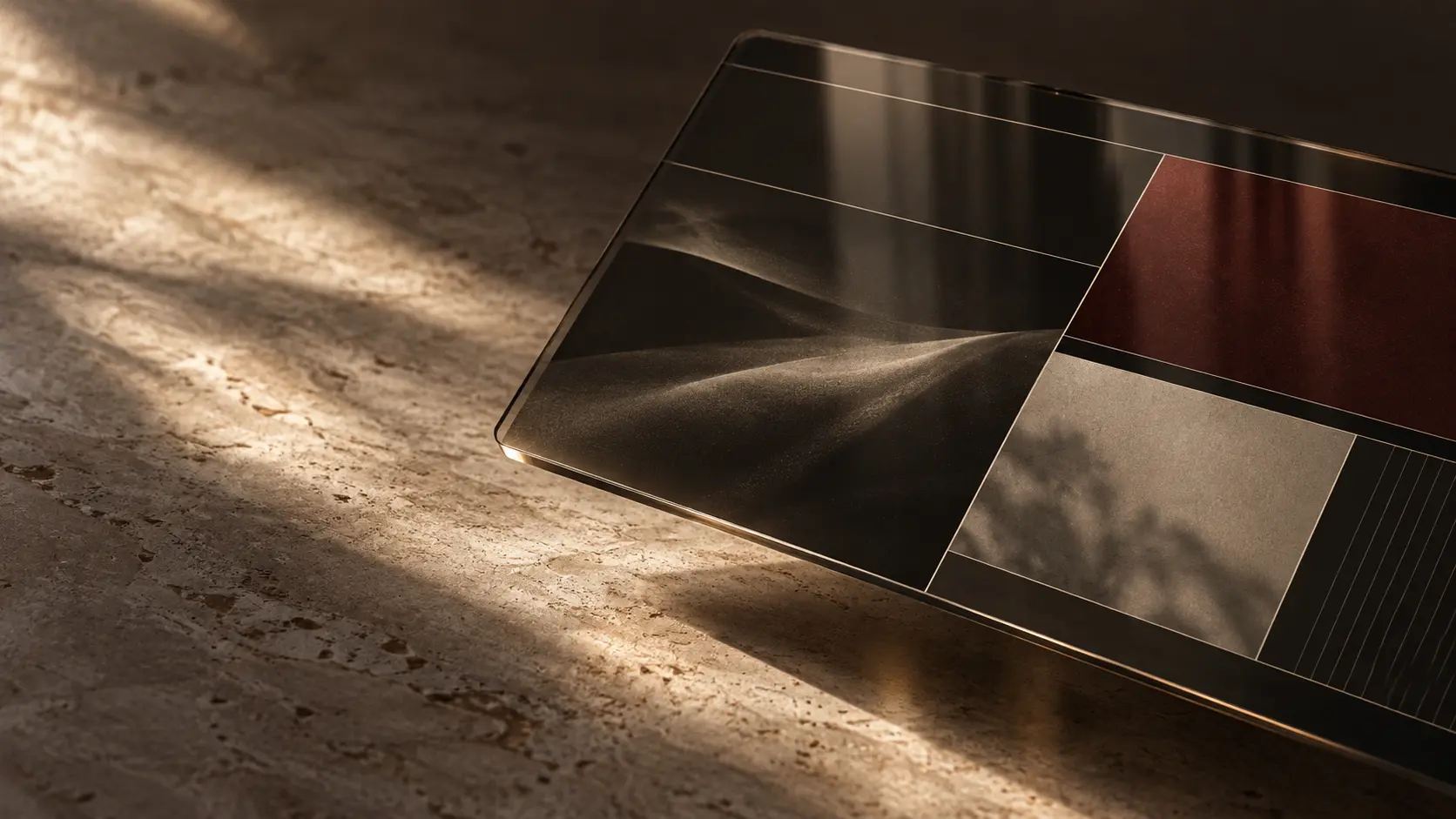
Fig. 1 — Interface language
What this solves
01
Where digital work usually begins.
People cannot find what they came for.
Content has accumulated without a structure. Visitors leave, or write in to ask questions the site should already answer.
The site does not reflect the organization.
The work is considered; the website looks generic, dated or assembled from a template.
Every update is a workaround.
Pages are hard to add or change, so the site falls behind and nobody quite owns it.
The path to act is unclear.
Enquiring, booking or applying takes too many steps, and people leave before they reach the end.
The discipline
02
Expression and structure, designed together.
Digital work starts with structure: what people need, in what order, and how the content should be organized to meet them. The information architecture decides whether an interface feels effortless long before any visual design is applied.
I design the interface as a responsive system — type, grid, components and interaction patterns defined once and applied consistently — so the experience holds together at every screen size and can grow without being redesigned.
Because I work across design and implementation, the direction is built to be delivered. Decisions about content, accessibility and maintenance are made during design, not discovered during development.
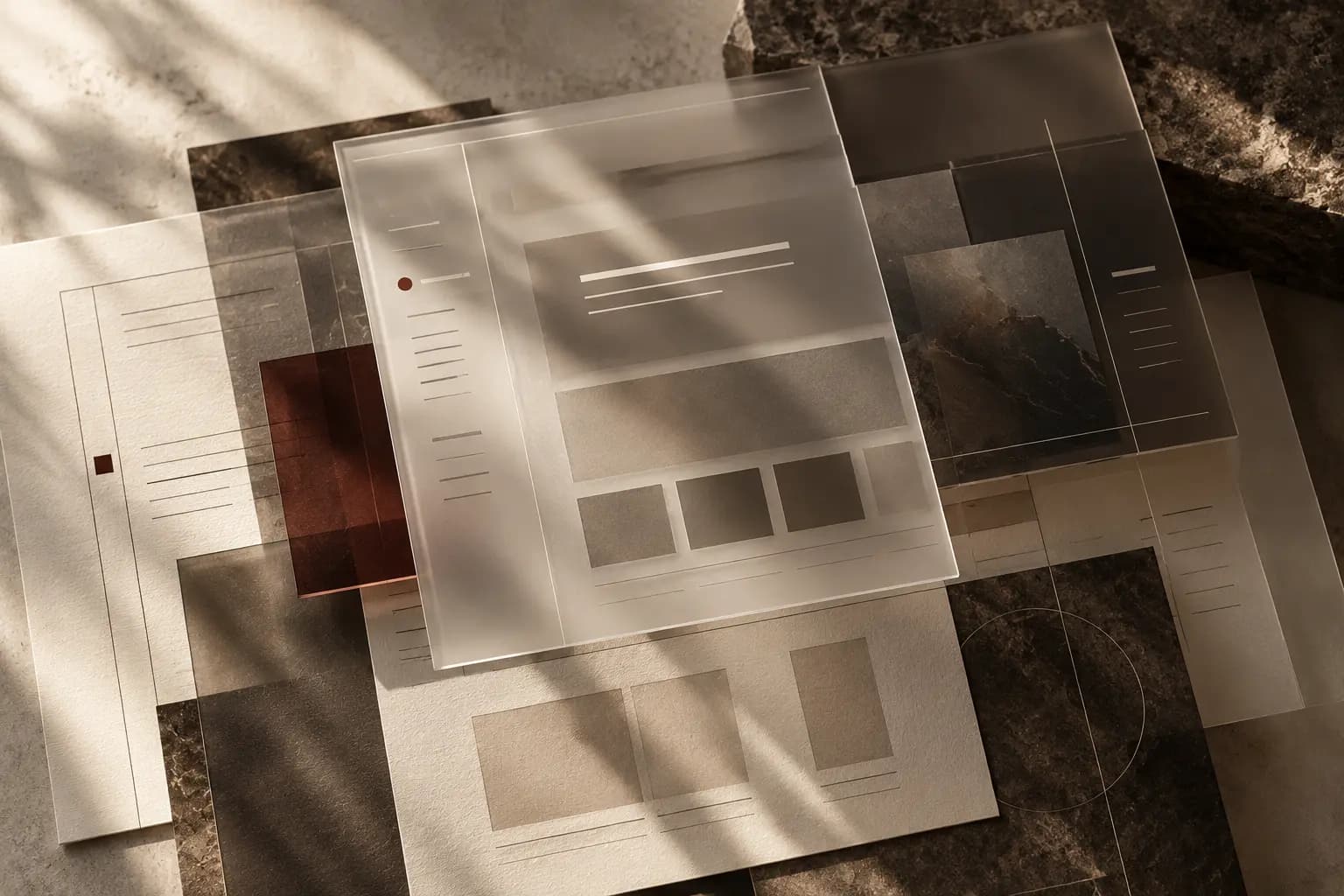
Fig. 2 — Information architecture

Fig. 3 — Responsive system
Scope
03
What the work covers, and what it hands over.
Capabilities
- Digital strategy
- Information architecture
- UX/UI design
- Website design
- Responsive interface systems
- Digital design systems
Deliverables
- Sitemap and content structure
- User journeys and key flows
- Wireframes and interactive prototypes
- Responsive interface designs
- Component library and design system
- Developer-ready handoff and specifications
- Launch support
Process
04
How the work runs.
Structure
I review the current experience, its content and the people it serves, then map the journeys and organize the information into a clear model before any screen is designed.
Produces
A sitemap, key journeys and wireframes.
Design
The interface language is developed and tested in prototypes across breakpoints: typography, layout, components, states and interactions, built as one system.
Produces
A responsive design system and full page designs.
Deliver
Designs are prepared for a precise build with specifications, assets and accessibility notes. Where it helps, I build the site or work alongside developers through launch.
Produces
A build-ready handoff and a supported launch.
Working together
05
Ways to engage.
Focused intensive
An experience audit or structural sprint: a review of the current site or product, with a prioritized plan and a revised information architecture.
Defined project
A new website or interface from structure to launch, with a clear scope and set of deliverables.
Ongoing digital partnership
Continued design support as the site or product evolves: new pages, features and refinement of the system over time.
What changes.
- Clearer journeys from first visit to action
- An interface that reflects the quality of the organization
- A responsive system that is easier to extend and maintain
- Accessible, well-structured content
Enquiries · D·02
If the experience is making people work too hard, let’s make the path clearer.
Share the site or product and what people are struggling to do. I will reply with where I would start.
Start a digital conversation ↗Available for select projects — 2026
Other ways to get in touch ↗